
Table of Contents
What Is the Point Spread in Sports Betting? What -3.5, -7 and Other Spreads Mean
The point spread is the most widely used bet type in sports betting. It levels the playing field between a strong favorite and a weaker opponent by assigning a margin that the favorite must overcome.
Rather than picking who wins, you are betting on whether a team wins or loses by a specific number of points. Spread betting drives NFL and NBA wagering, and it appears across college football, college basketball, and other team sports.
Once you understand how to read a spread number and what the attached odds mean, it becomes the most straightforward bet type at any sportsbook.
This page may contain affiliate links to legal sportsbetting partners. If you sign up or place a wager, FOX Sports may be compensated. Read more about Sports Betting on FOX Sports.
What Is the Point Spread?
The point spread is a handicap set by oddsmakers to create a more balanced betting market between two mismatched teams. The favorite is assigned a negative number, meaning they must win by more than that amount. The underdog receives a positive number, meaning they can lose by up to that amount and still cover.
The goal of the spread is not to predict the exact margin of victory. It is designed to split betting action evenly between both sides. When roughly equal money is wagered on each team, the sportsbook collects its margin on the losing bets, regardless of the outcome.
| Side | What it means |
| Favorite (negative number) | Must win by more than the spread |
| Underdog (positive number) | Must win outright or lose by less than the spread |
How Does Spread Betting Work?
When you place a spread bet, the final score is adjusted by the spread before grading. If the spread is -6.5 for the favorite, subtract 6.5 from their final score. If the result is still positive, the favorite covered. If negative, they did not.
The number next to the spread (usually -110) is the juice, or vig. It is the sportsbook's cut. At -110, you must bet $110 to win $100. That small margin is how the book profits over time regardless of which side wins.
NFL Point Spread Example
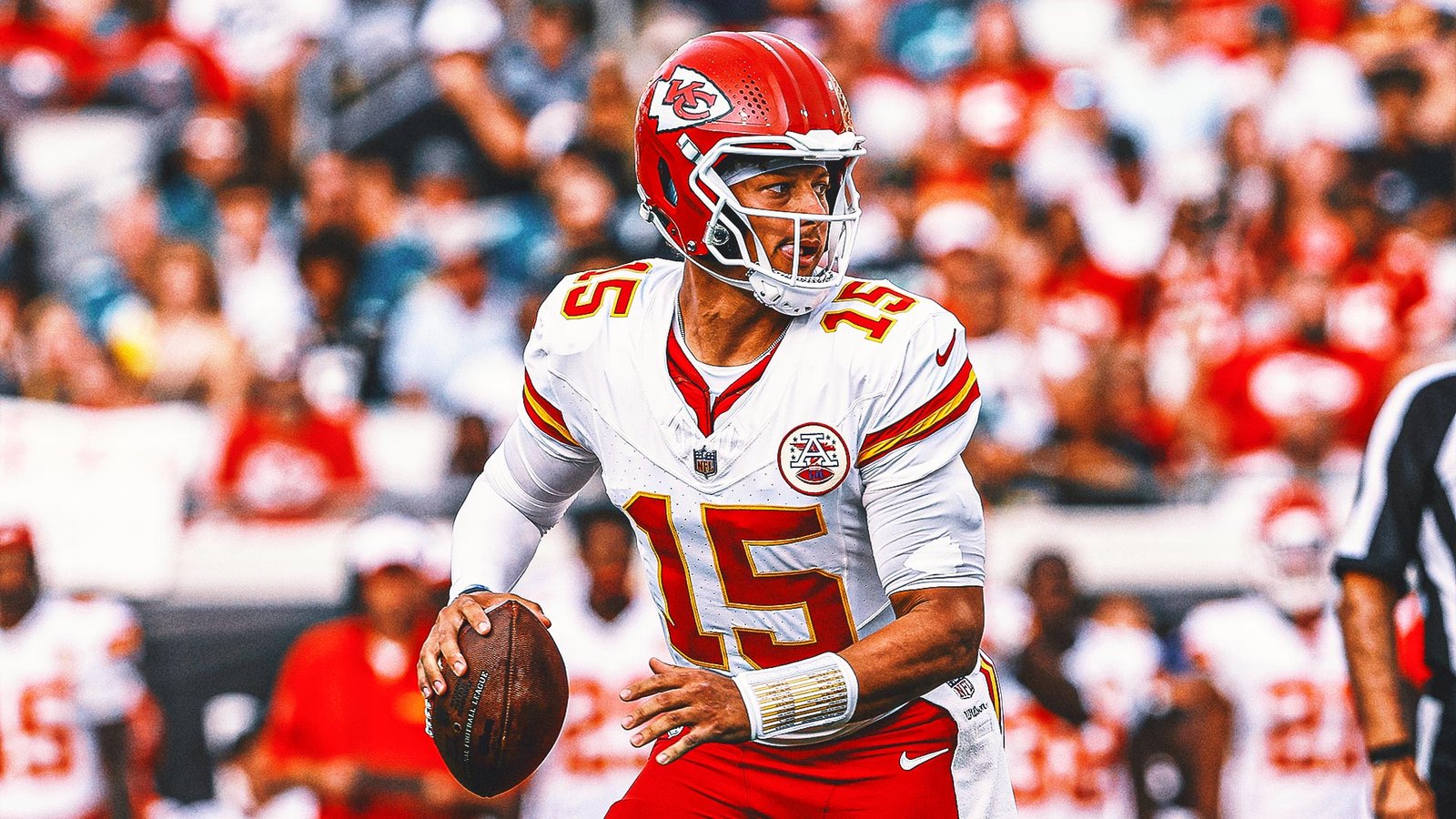
The Kansas City Chiefs are -6.5 (-110) against the Denver Broncos, who are +6.5 (-110). A bet on Kansas City wins if the Chiefs win by 7 or more points. A bet on Denver wins if the Broncos win the game or lose by 6 or fewer.
- Chiefs -6.5 (-110): need to win by 7 or more
- Chiefs win 27-17 (margin: 10): Chiefs cover, bet wins
- Chiefs win 24-20 (margin: 4): Chiefs do not cover, bet loses
- Broncos +6.5 (-110): win if Denver wins or loses by 6 or fewer
- Broncos lose 24-20 (margin: 4): Broncos cover, bet wins
NBA Point Spread Example
The Boston Celtics are -8 (-110) against the Miami Heat at +8 (-110). The Celtics need to win by 9 or more. The Heat cover if they win outright or lose by 7 or fewer. A final score of Celtics 112, Heat 105 (margin: 7) means the Heat covered.
- Celtics -8 (-110): need to win by 9 or more
- Celtics win 112-105 (margin: 7): Celtics do not cover, bet loses
- Heat +8 (-110): cover if they win or lose by 7 or fewer
- Celtics win 112-105 (margin: 7): Heat cover, bet wins
What Is a Push?
A push occurs when the final margin exactly matches the spread. If the Chiefs are -7 and win by exactly 7, no side wins or loses. Your stake is returned in full. To eliminate pushes, oddsmakers frequently use half-point spreads (called the hook) such as -6.5 or -7.5.
What Is the Hook?
The hook is the half-point added to a spread to prevent a push. Buying or selling the hook is a common strategy where bettors pay extra juice to move a spread a half point in their favor. Moving from -3 to -2.5 on a football bet can be worth paying a premium because 3 is the most common margin of victory in the NFL.
Point Spread vs. Moneyline
The moneyline and the point spread are both ways to bet on the outcome of a game, but they measure different things. The moneyline rewards picking the winner regardless of margin. The spread rewards picking the team that wins by enough, or loses by little enough.
For heavy favorites, the moneyline requires a large stake to win a small return. The spread often offers a more balanced payout, but it demands the favorite win convincingly. The right choice depends on how confident you are in the margin, not just the result.
| Bet type | Win condition | Best for |
| Moneyline | Team wins by any margin | Picking upsets; heavy favorites at tolerable risk |
| Spread (favorite) | Team wins by more than the spread | Backing dominant teams at better odds than moneyline |
| Spread (underdog) | Team wins or loses by less than the spread | Getting a cushion on a competitive underdog |
How Are Point Spread Payouts Calculated?
Most spread bets are priced at -110 on both sides. At -110, you bet $110 to win $100, for a total return of $210. The $10 difference is the vig the sportsbook keeps. Understanding the juice is important because it affects your long-term profitability.
Spreads are not always priced at -110. When one side attracts more action, the sportsbook may shade the juice to -115 or -120 on the popular side and +100 or -105 on the other. Always check the price on both sides before placing your bet.
Standard -110 Spread Payout
- Spread: Chiefs -6.5 (-110)
- Stake: $110
- Profit if win: $100
- Total return: $210
Alternate Juice Example
- Spread: Celtics -8 (-115) / Heat +8 (-105)
- Bet on Celtics: stake $115 to win $100
- Bet on Heat: stake $105 to win $100
- The Heat side has been shaded down because more money is on Boston
To break even on -110 juice, you need to win 52.38% of your spread bets. That is the minimum win rate required before you start showing a profit. At -115, the break-even rate rises to roughly 53.49%.
When Does Spread Betting Make Sense?
When to Bet the Favorite on the Spread
- The moneyline price on a heavy favorite is -200 or worse and offers poor return on risk
- The matchup strongly favors the better team in a sport where big margins are common (NFL, college football, NBA)
- You believe the favorite will win comfortably and want better odds than the moneyline offers
- The spread number is low relative to the talent gap between the teams
When to Bet the Underdog on the Spread
- You like the underdog to keep the game close even if they are unlikely to win outright
- Home-field or home-court advantage significantly reduces the expected gap
- The line has been inflated by public money on the favorite, creating value on the other side
- You want a cushion but still believe the underdog has a shot at covering or winning
When the Spread May Not Be the Best Option
- You are backing a true underdog to win outright and do not need the spread cushion (moneyline pays more)
- The game is a near coin-flip and the spread is close to zero (moneyline is simpler)
- You want to bet totals rather than which team performs better relative to expectation
How to Place a Point Spread Bet
Spread bets are available on every major sportsbook for NFL, NBA, college football, college basketball, and other team sports. Here is how to get started using one of the best betting apps.
- Open your sportsbook app and select the sport and game you want to bet.
- Look for the Spread column in the game listing. The favorite will show a negative number; the underdog a positive number.
- Tap the side you want. The bet will appear in your bet slip with the spread and juice displayed.
- Enter your stake. The slip will show your potential payout automatically.
- Review the bet, then confirm.
Spreads can move between when you first see them and when you place your bet. Line movement happens as new information comes in (injuries, weather, betting volume). Locking in a line early can be an advantage if you expect it to move against you.
Common Point Spread Mistakes
- Ignoring the juice: Two spreads at the same number can have very different prices. Always check whether you are paying -110, -115, or more.
- Chasing key numbers without paying attention to value: Moving off -3 or -7 in football costs extra juice. Sometimes the cost outweighs the benefit.
- Betting spreads in low-scoring sports: Spreads are most meaningful in football and basketball. In baseball and hockey, the moneyline and puck line (or run line) are more standard.
- Overweighting public narrative: The team everyone is talking about often has inflated lines. Sharp bettors look for spots where the public has pushed a number too far.
- Adding too many spread legs to a parlay: Each leg needs its team to cover. The more legs, the more margin requirements stack up, reducing the chance of a clean sweep.
For deeper strategy on specific bet types, see our guides on how to bet on moneylines, teaser betting, and over/under totals betting.
Responsible Gambling
Sports betting should be fun. Set a budget before you start and treat losses as the cost of entertainment. If gambling stops being enjoyable or starts affecting your daily life, help is available.
- National Problem Gambling Helpline: Call or text 1-800-GAMBLER
- National Council on Problem Gambling: ncpgambling.org
- 1-800-GAMBLER Support Portal: 1800gambler.net
- Gamblers Anonymous: gamblersanonymous.org
Point Spread Betting FAQ
What does point spread mean in sports betting?
The point spread is a margin set by oddsmakers that the favorite must exceed to win the bet. If a team is -6.5, they need to win by 7 or more for a bet on them to cash. The underdog at +6.5 covers if they win or lose by 6 or fewer.
What does -110 mean on a point spread?
The -110 is the juice, or vig. It means you must bet $110 to win $100. This is the standard price on most spread bets and represents the sportsbook's built-in margin. Not all spreads are priced at -110; the juice can vary depending on where the action is.
What is a push in spread betting?
A push happens when the final margin equals the spread exactly. If a team is -7 and wins by exactly 7, neither side wins. Your original stake is returned in full with no profit or loss. Sportsbooks often use half-point spreads to eliminate the possibility of a push.
Can you bet the spread on any sport?
Spread betting is most common in football and basketball, where scores are high and margins vary widely. In baseball the equivalent is the run line (fixed at 1.5). In hockey it is the puck line (fixed at 1.5 goals). Spreads do exist in other sports but are less commonly used.
What is a key number in spread betting?
Key numbers are the most frequent final margins in a sport. In the NFL, 3 and 7 are the most important because field goals and touchdowns are the most common scoring plays. Lines often cluster around these numbers and bettors will pay extra juice to land on the right side of them.
What does it mean when the line moves?
Line movement happens when oddsmakers adjust the spread after it opens, usually in response to betting volume, injuries, or weather. If a line moves from -6.5 to -7.5, it means more money is coming in on the favorite. Sharp bettors often try to anticipate or react to line movement.
Is spread betting the same as a parlay?
No. A spread bet is a single wager on one game. A parlay combines multiple bets, including spread bets, into one ticket where all legs must win for the parlay to cash. See our parlay betting guide for more.
How do I find the best spread odds?
Comparing lines across multiple sportsbooks is the most reliable way to find the best spread. Even a half-point difference or a juice improvement from -115 to -110 adds up over many bets. Our list of the best sportsbook promos can help you get started with multiple accounts.

