
Table of Contents
With the zeal of an old-fashioned Southern preacher, soccer evangelists have been shouting to the heavens about this summer’s World Cup launching the sport into new horizons in the United States.
Major League Soccer commissioner Don Garber calls it “rocket fuel for our entire ecosystem.”
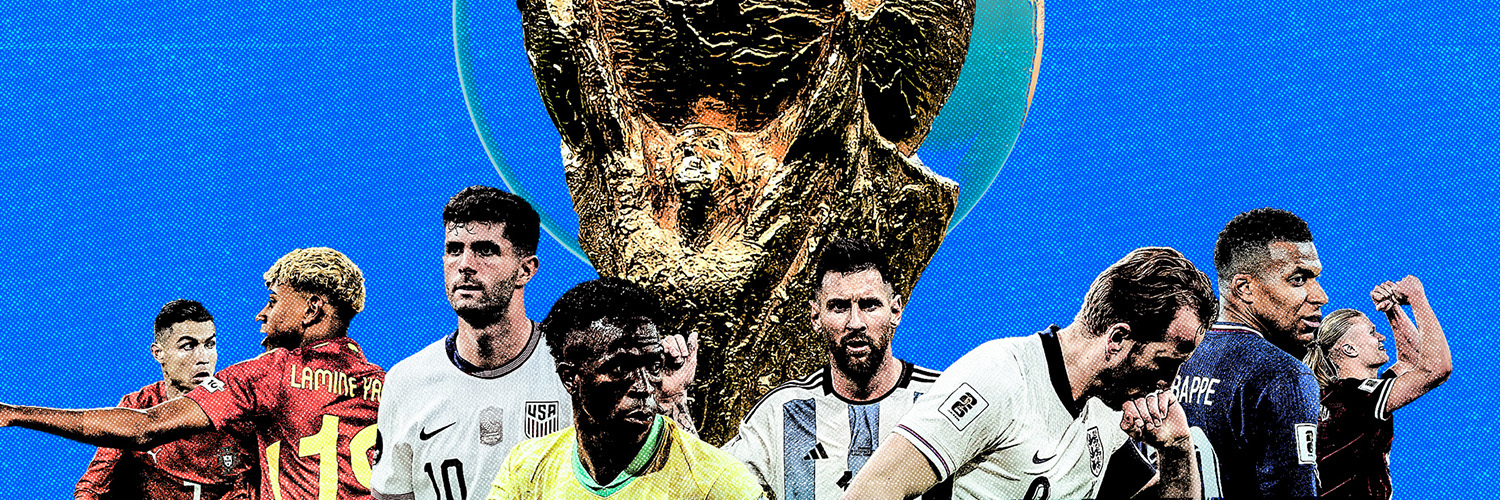
There is substance behind that belief. Starting June 11, the World Cup will descend on North America for more than five weeks, showcasing international soccer and its colorful cast of characters on and off the pitch at a time when the sports landscape is relatively quiet.
Indeed, the stage belongs to the beautiful game.
There is at least one match — and as many as six — scheduled each of the first 27 days, with just five off-days following the Round of 16. For Fox Sports and Telemundo, the U.S. TV rights holders, the World Cup is the NCAA basketball tournament fused with the Super Bowl with a generous infusion of culture, politics and patriotism. Unlike most Olympics and World Cups staged abroad, it will transpire in mostly favorable time slots.
From grocery store displays and watch parties to flag-lined streets and team jerseys, soccer will be omnipresent this summer.
There should, however, be genuine concern that growing negativity around the World Cup could not only temper the sport’s growth here but cause damage to its broader image.
Fan and economic roadblocks
The price of tickets (list and resale, for which FIFA takes a cut)
as well as exorbitant fees for parking and to board a bus or train to some stadiums seems to have already scared away many potential converts.
The Athletic reported Tuesday that tickets for the U.S. opener against Paraguay at SoFi Stadium remain readily available. Many fans have complained about purchasing prime seats that were moved to less desirable vantage points, the same outlet reported.
Taxpayers are starting to learn more about FIFA-favorable contracts that municipalities signed with the sport’s global governing body in order to host matches. Officials in World Cup cities will soon find out what Olympic cities know all too well: The economic projections are always inflated.
Chicago, which declined to bid for the World Cup because of contract concerns, and Washington, which was passed over because of an inadequate stadium, are, from an economic standpoint, looking pretty good right now.
The FIFA factor
Beyond the local economic and fan-facing concerns, the governing body itself has continued to generate controversy.
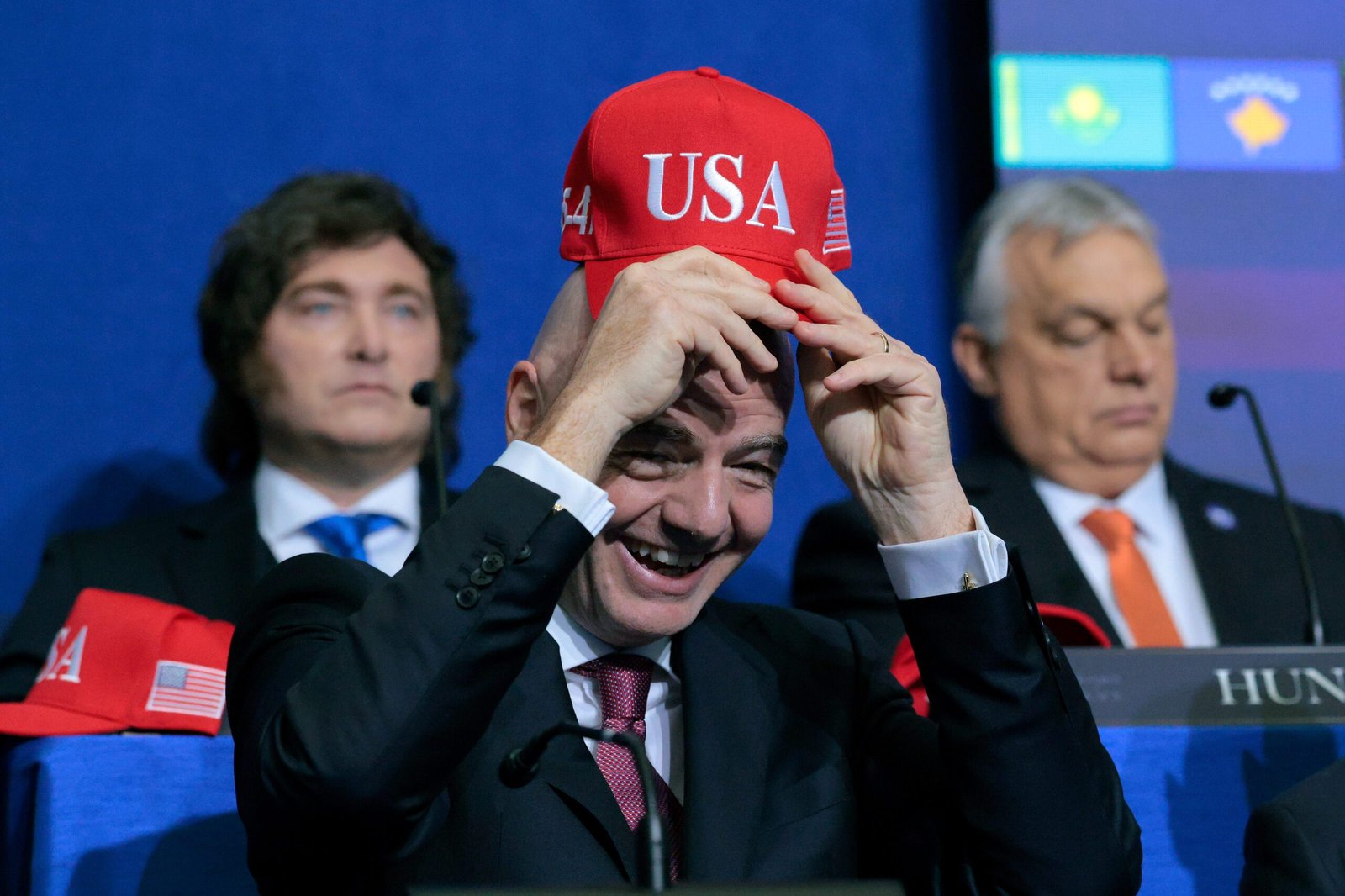
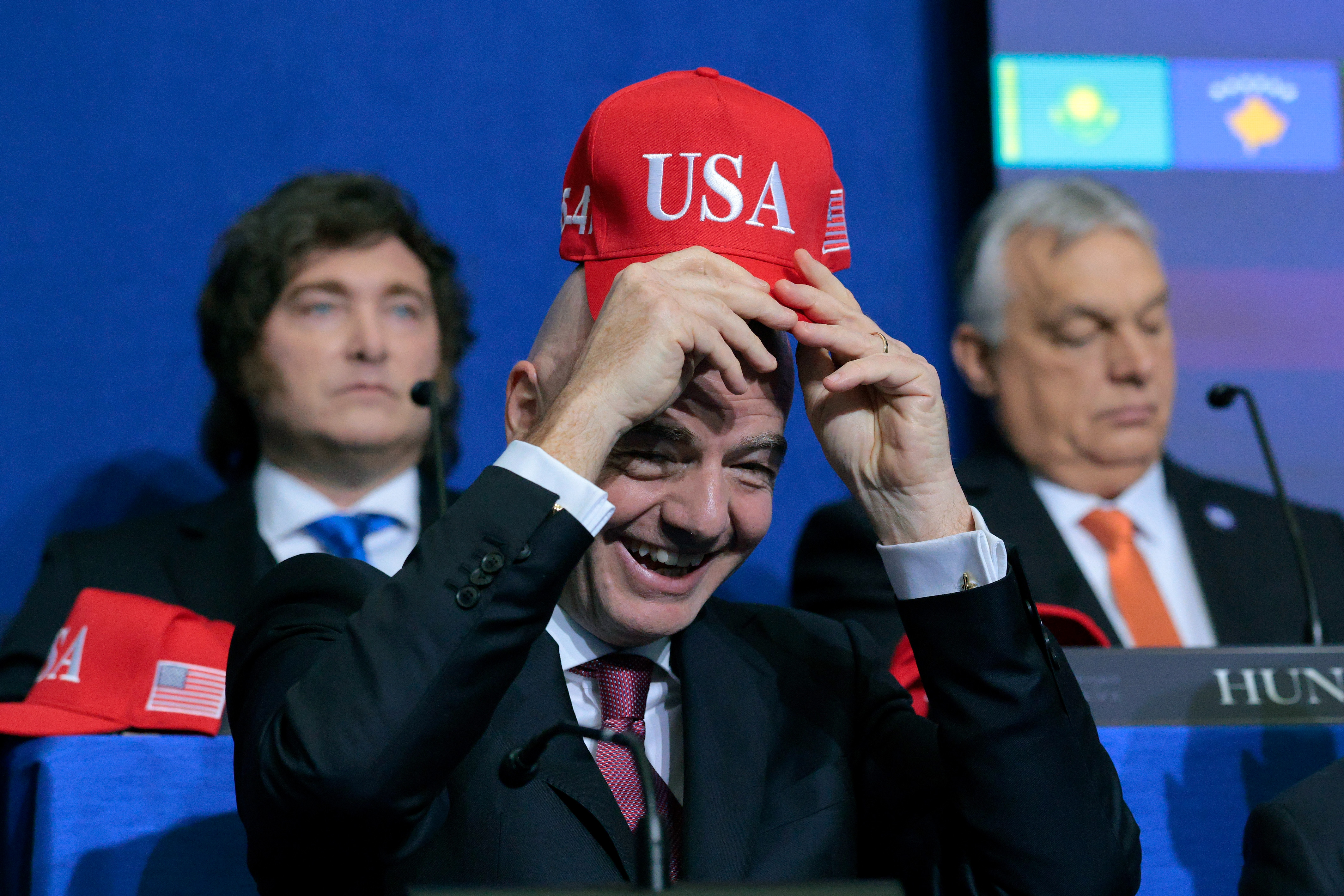
On the political front, FIFA president Gianni Infantino inventing and awarding a peace prize for President Donald Trump’s efforts to “promote peace and unity around the world” at a time of global turmoil drew anger and eyerolling from much of the country.
Connoisseurs of the sport have long been able to separate soccer and those who govern it — just as the public enjoys the Olympics in spite of the International Olympic Committee and cheers major college events while, in the same breath, ripping the NCAA. By compartmentalizing, fans find a happy medium loving their sports while loathing the overlords.
The Olympics and major college sports have foundations capable of withstanding the public’s negative perceptions of the sport’s rulers. Soccer, however, is not in a position of such unshakeable strength in this country. To grow, it needs not just a successful World Cup but good vibes about the sport as a whole.
This summer, American soccer has an opportunity like no other. The 1994 World Cup was a hit, introducing first-hand the sport at its highest level to both hardcore and casual fans while spawning a pro league, MLS, which this spring celebrated its 30th anniversary. Likewise, the 1999 women’s World Cup in the U.S. gave a prominent platform to women’s athletes and led to a national league.
This summer’s mission is to further raise soccer’s profile and accelerate its growth to where it’s part of the daily sports conversation, inspires a generation, and sheds its niche image.
But what if the general public, largely unfamiliar with the game, can’t differentiate between the sport and who is running it and allows all the many negative elements of hosting the World Cup to shroud the beauty and pageantry?
The risk to MLS and NWSL
The fear is that the World Cup circus comes and goes without lasting gains — with MLS still sitting behind the NFL, NBA, Major League Baseball and maybe the NHL while international soccer continues to appeal to a subset of Americans running around in Arsenal and Lionel Messi jerseys.
No entity would benefit more from the World Cup’s positive vibes than MLS, which has swelled to 30 teams in the U.S. and Canada, built stadiums and youth academies and watched club valuations climb.
Growth stemming from the tournament is not guaranteed, though. Before the first match kicks off, MLS is confronted by the reality that it employs very few top World Cup players and none of the U.S. stars.
Without the World Cup strengthening the sport’s foundation in the U.S. and, by extension, broadening MLS’ appeal, fans of the game will continue turning first to the Premier League, Champions League and Mexico’s Liga MX.
Hedging on a rising tide raises all ships, the National Women’s Soccer League also has a stake in this summer’s World Cup. Founded in 2013 as the third attempt at a national women’s pro league, the NWSL has made notable strides in expansion (the 18th team, Columbus, was announced Tuesday), attendance and talent development. To continue growing, though, it too needs the sport to join the mainstream.
A World Cup has a way of accelerating the process. But here again FIFA’s reputation has reportedly marred the 2031 women’s World Cup, as well.
According to the Guardian, multiple U.S. cities in the running to host the women’s competition are considering withdrawing over concerns related to FIFA’s handling of the 2026 tournament. The U.S. is the centerpiece of a joint regional bid with Mexico, Costa Rica and Jamaica; no other bids were submitted to FIFA, which is scheduled to formalize its North American plans this year.
If this summer’s tournament does not go well — or if the public’s distaste for FIFA does not subside — women’s soccer could become collateral damage.
No one, it seems, is able to escape FIFA’s dark shadow. For the betterment of U.S. soccer, brighter days better be in the forecast.

