
Table of Contents
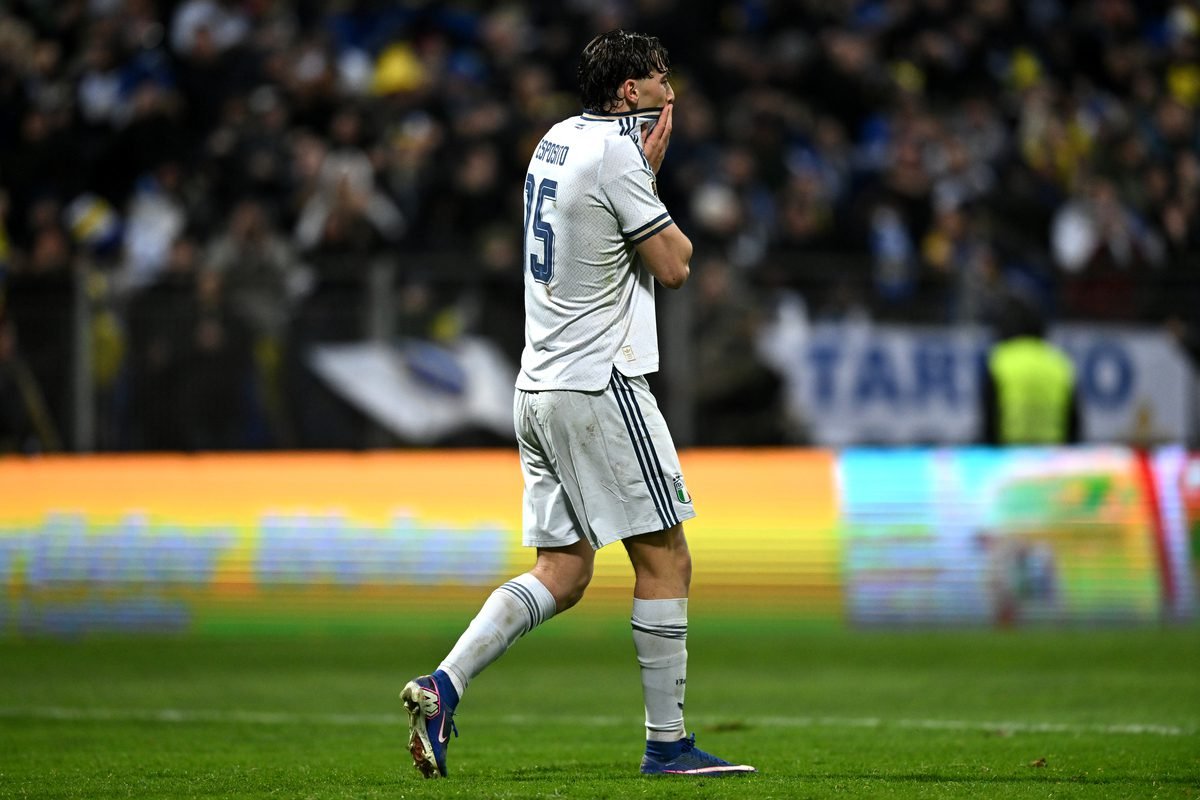
Skip to content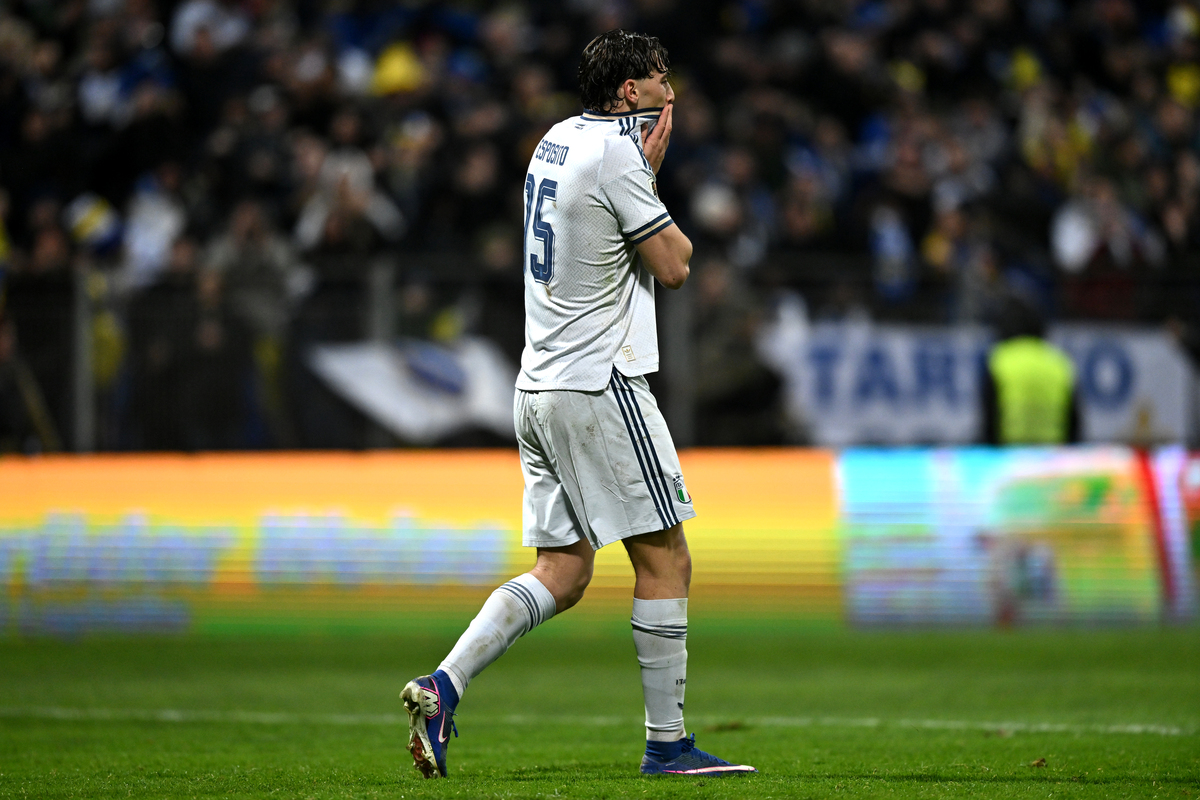 ZENICA, BOSNIA AND HERZEGOVINA – MARCH 31: Francesco Pio Esposito of Italy shows reacts during the FIFA World Cup 2026 European Qualifiers KO play-offs match between Bosnia & Herzegovina and Italy at Stadion Bilino Polje on March 31, 2026 in Zenica, Bosnia and Herzegovina. (Photo by Getty Images/Getty Images)
Italy losing to Bosnia wasn’t just another bad night. It landed differently. The reaction back home made that pretty obvious — this wasn’t about tactics alone or one coach getting it wrong. It felt like something deeper was off, like the system itself needed a reset.
For a country that built its identity around football intelligence and discipline, the recent run has been hard to explain in simple terms. There’s frustration, but also confusion. People aren’t even sure where to start fixing things anymore.
A Loss That Sparked Old Questions Again
The loss to Bosnia was a shock to the system for those who follow the Azzurri closely, even though it was not entirely unexpected. The Azzurri have appeared disorganised and sluggish in situations where they have formerly been effective; they also appeared to lack confidence in their decision-making.
The Azzurri’s long history as an organisation that takes pride in controlling its own fate has made the team’s showing against Bosnia difficult for fans to accept.
Some critics pointed at player selection, others at the coaching setup. But even those arguments feel a bit surface-level. Because the same conversations keep coming back every time Italy struggles: youth development, identity, pressure, expectations.
It’s almost like the team is carrying too many layers of the past without fully adapting to the present.
When Pressure Builds Quietly
What’s interesting is how pressure in football doesn’t always explode right away. Sometimes it builds slowly, almost invisibly, until a result like this exposes everything at once.
Italian players aren’t just playing games. They’re carrying history — World Cups, tactical legacy, the idea that they should always know how to manage difficult matches. When that expectation isn’t met, the reaction becomes heavier than the result itself.
And honestly, that kind of mental load can affect decision-making in ways people underestimate. It’s not always about skill or fitness. Sometimes it’s just about clarity — or the lack of it.
The Human Side of Performance
We talk a lot about systems, formations, and strategies. But at the end of the day, these are still people dealing with pressure, criticism, and sometimes even personal struggles behind the scenes.
In other areas of life, when things start to slip, certain structures help individuals reset. Football doesn’t always openly talk about that part, but maybe it should.
There are communities like UK Gamblers Anonymous that exist for people who find themselves stuck in patterns they can’t easily break. It’s not about the activity itself — it’s about recognising when something starts to control you instead of the other way around.
The same idea, in a broader sense, can apply to environments like professional sports. When habits, expectations, or even mental pressure build over time, a reset isn’t just a tactical move. It’s psychological.
Interestingly, platforms that analyse player behaviour, trends, and decision-making — sometimes even outside of football — have started to highlight how patterns form under pressure. You’ll see this kind of breakdown discussed in more analytical spaces like Jackpot Sounds, where the focus is often on how people react in high-stakes situations rather than just the outcomes.
Searching for a New Identity
Italy now faces a question that’s not easy to answer: what should this team actually be moving forward?
Trying to recreate the past doesn’t seem to work anymore. Modern football is faster, more fluid, and less forgiving of hesitation. Teams that succeed today tend to have a clear identity, even if it evolves over time.
Right now, Italy looks like it’s somewhere in between — not fully committed to a new style, but also not able to rely on old strengths the same way it used to.
That kind of in-between phase can be the hardest. It’s uncomfortable and often leads to inconsistent performances, like the one against Bosnia.
The Role of Structure and Oversight
Beyond the pitch, there’s also the question of how football is managed at a higher level. Systems don’t just shape players — they influence decision-making, long-term planning, and even how pressure is handled internally. In other industries, oversight bodies exist to maintain standards and ensure accountability.
Football has its own versions of this, but the effectiveness often depends on how consistently rules are applied and adapted over time.
It’s a bit like how the UKGC operates in a different space, setting expectations for transparency and control, even when brands like Paddy Power or payment methods such as PayPal and Skrill are involved — the idea is not restriction for its own sake, but keeping the environment stable.
Without that kind of structure, things tend to drift, and when they drift for too long, the consequences eventually show up where everyone can see them — on the field, in results, in confidence.
Modern Football Isn’t Waiting
Another challenge Italy faces is that other teams aren’t standing still. Nations that were once considered outsiders are now organised, tactically aware, and confident in their approach.
Bosnia’s performance wasn’t just about Italy underperforming. It also reflected how much smaller teams have improved in terms of discipline and belief.
That changes the dynamic completely. You can’t rely on reputation anymore. Every match demands focus, adaptability, and, maybe most importantly, mental sharpness.
Small Details, Big Consequences
In matches like this, the difference often comes down to small moments — a missed pass, a delayed reaction, a lack of communication. These aren’t dramatic failures, but they add up quickly.
When a team is fully aligned, those moments tend to go unnoticed because they’re handled naturally. When something is off, even slightly, they become much more visible.
Italy seems to be dealing with that kind of accumulation right now. Not one big problem, but many small ones that haven’t been fully addressed.
What a “Reset” Actually Means
Calling for a reset sounds simple, but it’s not. It doesn’t just mean changing a coach or bringing in new players. It’s about redefining priorities, adjusting expectations, and maybe even accepting a transition period.
That’s not always easy for a country with Italy’s football history. Patience isn’t something fans naturally lean towards, especially when the past sets such a high standard.
But without that reset, the same patterns are likely to repeat.
Looking Ahead Without Illusions
There’s still talent in the squad. That hasn’t disappeared. But talent alone isn’t enough anymore — not in modern football, and not under the kind of pressure Italy operates in.
The next steps will probably involve difficult decisions, some of which will be unpopular. That’s usually how real change starts.
And maybe that’s the main takeaway from the Bosnia loss. Not that Italy is suddenly a weak team, but that it’s a team at a crossroads.
Where it goes from here depends on how honestly it’s willing to look at itself — and whether it’s ready to do more than talk about change.

