
Table of Contents
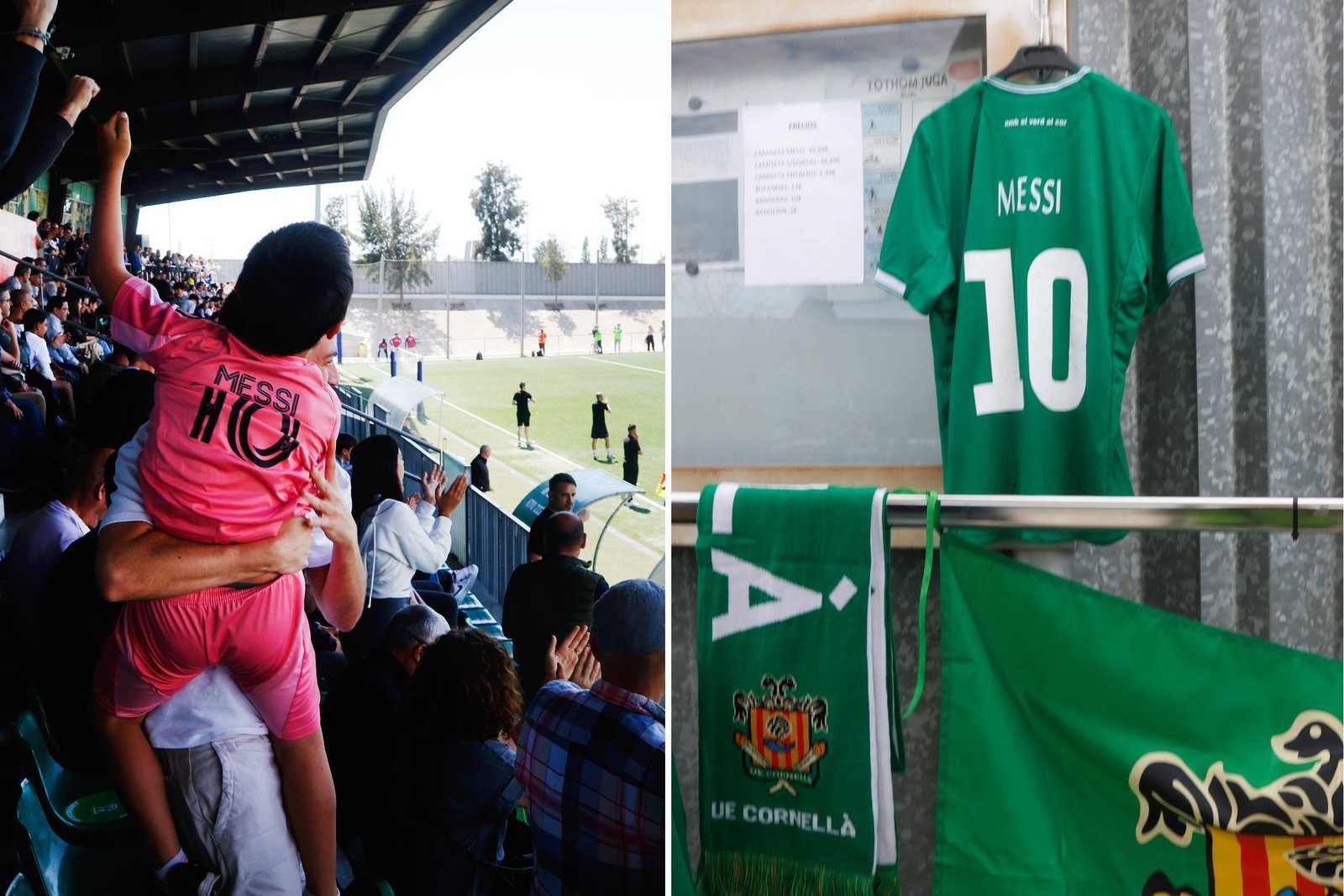
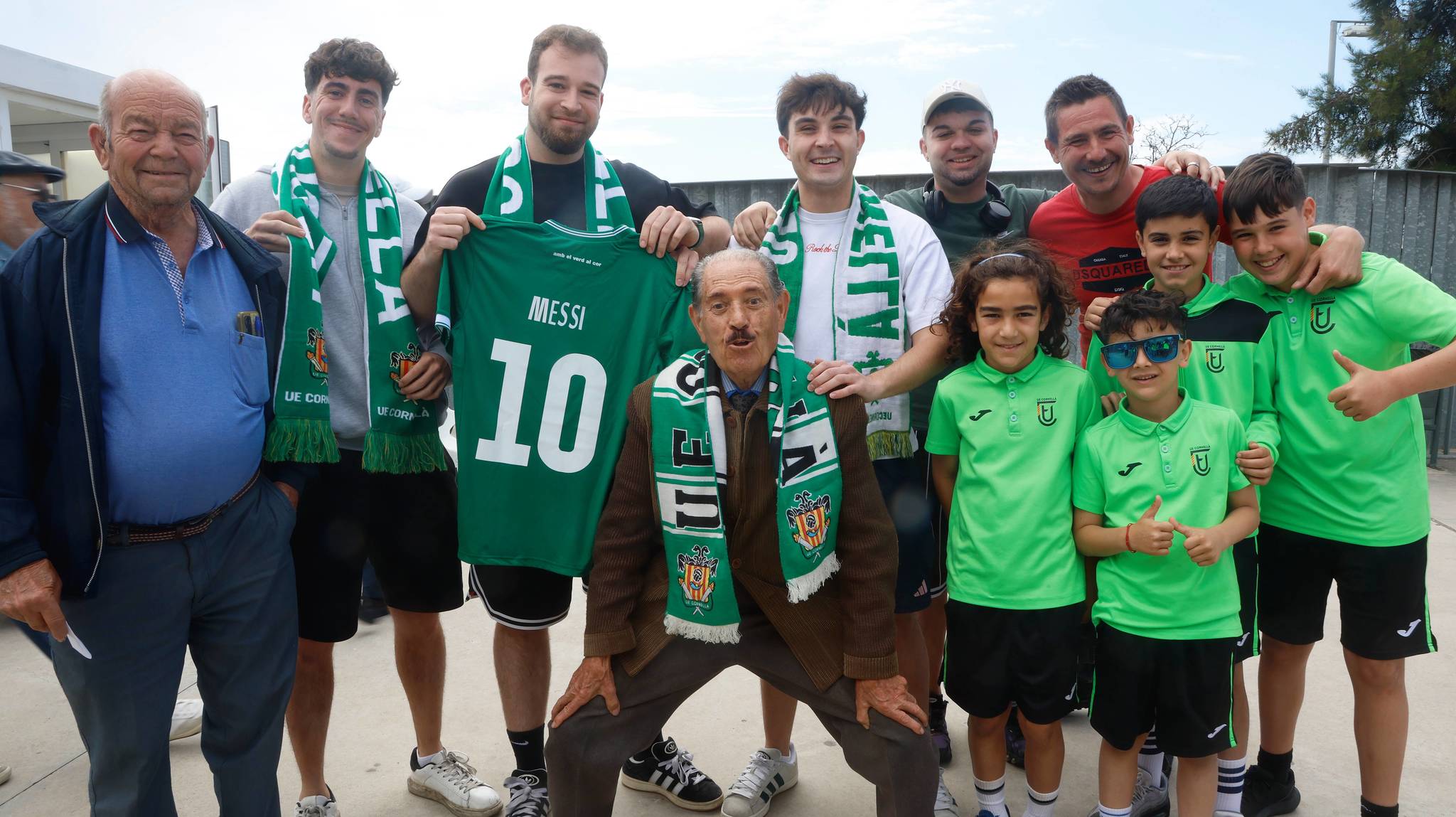
Lionel Messi has revolutionized the Catalan soccer ecosystem. He has become the new owner of UE Cornella, a historic club in the metropolitan area of Barcelona that plays in the Tercera RFEF, the fifth tier of Spanish soccer. In doing so, he joins the list of former Barcelona players who have jumped on the bandwagon of buying soccer clubs.
Previously, Gerard Pique, with Andorra; Jordi Alba and Thiago Alcantara, with CE L'Hospitalet; and Andres Iniesta, with Danish side Helsingor, have already done so.
But the acquisition of UE Cornella by the Inter Miami footballer has had an impact commensurate with his stature.
World-shaking news
Two facts demonstrate the undoubted power of the Messi brand. The first is the impact on social networks: in just three days, the club's Instagram account surpassed 600,000 followers.
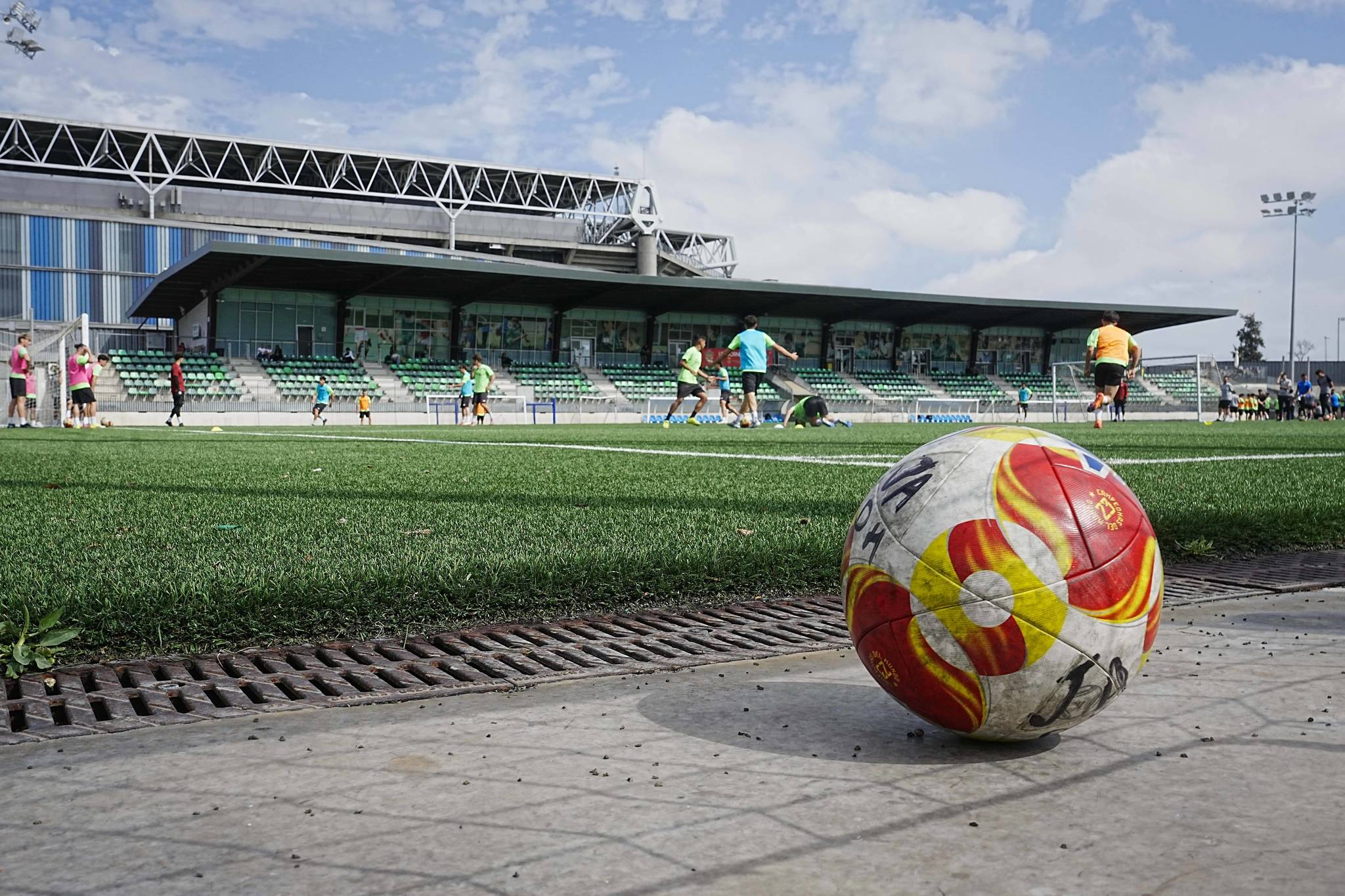
Curiously, the stadium of the Parakeet club, which plays in LaLiga, is only 400 meters from the Nou Municipal de Cornella de Llobregat. An artificial grass stadium with a capacity of 1,500 spectators where Messi's new team plays its matches.
Another example of the reach of the news was evident in internet searches for the Catalan club. In just seven days, searches for the term 'UE Cornella' on Google and YouTube increased by 2,350%, according to Google Trends.
And all this, UE Cornella achieved with a brief statement of 433 words published on its website. In the text, among other things, it is emphasized that the arrival of Leo Messi would open “a new stage in the history of the club. With the aim of boosting its sporting and institutional growth, strengthening its structure and continuing to support talent”.
Secrecy about the details of the operation
Since the news broke, a shroud of secrecy has enveloped the club. A low-profile communication policy has been adopted.
Few figures have emerged from the purchase of a company that, a few months before Messi's arrival, had already undergone some changes in its shareholding structure.
One of the figures who, according to different sources consulted by EFE, had an important role in the operation was Andres Manzano. In 2024, he left the position of general manager of the club and last summer he joined the youth football structure of FC Barcelona.
Another of the actors involved in the negotiations, which began discreetly last December, was the City Council of Cornella de Llobregat as manager of the municipal stadium where Messi's team usually plays.
In an interview with EFE, the socialist Antonio Balmon, mayor of the city, stressed that maintaining the structure of the club's Foundation, which shelters several grassroots football teams, women's and inclusive sport, was key.
The mayor is clear about the reasons that have led Messi to opt for UE Cornella. "It has produced many top players. Everyone respects Cornella for its sports school, for its consistent work and because it does so at minimal cost. I think Messi and his people have realised that there are not many clubs with these guarantees."
UE Cornellà, the nursery of Catalan football
Messi has acquired one of the historic clubs in Catalan soccer. Founded in 1951, the club is known for its youth development work.
Players who have gone through its ranks and have reached the elite include current Spain and Arsenal goalkeeper David Raya, former Barcelona player Jordi Alba, Barcelona defender Gerard Martin, Senegal international Keita Balde, MLS champion Ilie Sanchez, Real Betis player Aitor Ruibal and Espanyol captain Javi Puado, among others.
"Cornellà is known in Spain because the first team has reached national categories (up to Primera RFEF, third division), but also for being a reference in training. It usually has very good categories in youth, children and cadets. Beyond Barcelona and Espanyol, Damm and Cornellà are the best in grassroots football," the president of the Catalan Football Federation (FCF), Joan Soteras, told EFE.
An opinion shared by Dani Horcas, current youth coach at Jabac Terrassa.
This experienced Catalan football coach knows what he is talking about. He spent eight years in charge of youth teams at UE Cornella before making the step up to FC Barcelona, where he spent another eight years.
Horcas told EFE that there must be several factors that have influenced Messi's decision to buy UE Cornella, a club that has historically earned income from transfers of youth players and training rights.
Therefore, he assures that with the arrival of the Argentine, signing for Cornella will be "one more plus", so he predicts that the club "will benefit in terms of attracting" players.
For his part, Soteras believes that this operation will be "good for Catalan and Spanish football", and he is pleased that media-friendly former footballers linked to Catalonia are buying into humble clubs: "They invest in what they know and understand, the world of football and grassroots football".
The economic impact
Messi's entry into the shareholding of a modest team highlights the interest that the football industry arouses among some players.
According to sports industry experts consulted by EFE, the reasons for this investment trend among footballers can be multiple and varied, depending on the case.
According to this consultant, the Barcelona legend can be a "magnet" to attract talent. "Having Messi as a shareholder is not the same as not having him. The families of the footballers will want their son to play in Messi's club," says Canto. He adds that a football club "can be profitable if it is managed sensibly".
Ivan Cabeza, professor at the Faculty of Economics at the University of Barcelona (UB), is more sceptical about the financial profitability of the operation. He points out that investors who buy teams hardly recover their investment by generating cash flow or profits.
"The real business of the soccer industry is that there is someone who buys them well above the price you bought it," says the UB professor, who warns of "a possible bubble in the valuations" of teams, especially those at the elite level.
Sponsorship opportunity
Where Canto and Cabeza do agree is on the commercial and sponsorship opportunities that UE Cornellà could enjoy with its new owner.
However, Balmon prefers to be cautious about what Barcelona legend's purchase of UE Cornella will bring.
"I imagine that it will enhance the first team and reinforce everything that is done through the Foundation. Both things are compatible and I think that is what is going to happen. But it is early. Now we are in the boiling, we are going to wait for the water to settle and we will calmly look at what happens in the future," concludes Balmon.

